It can generate videos on demand that manages to mimic a wide range of human facial motions, while maintaining a level of consistency that makes the video believable across different scenes and lighting conditions.
This includes what seems to be precise synchronisation of mouth movements, where many of the AI video tools falter.
Moreover, OmniHuman seems to have nailed one particular and difficult condition to realism - teeth, tongue and eye movements.

From a single photo, a whole story comes alive. It’s like someone did a recording of Albert Einstein back in 1921.
And while the demos shown are cherry-picked, they show a wide range of style applications from stylised to 3D, to realistic presentations.
Given how little time it has taken for gen-AI video production to stabilise, it won’t be long before we are flooded by deepfaked videos that can’t be spotted with a trained eye. I personally hope there is equally many technologies popping up that will assist us in revealing deepfakes.
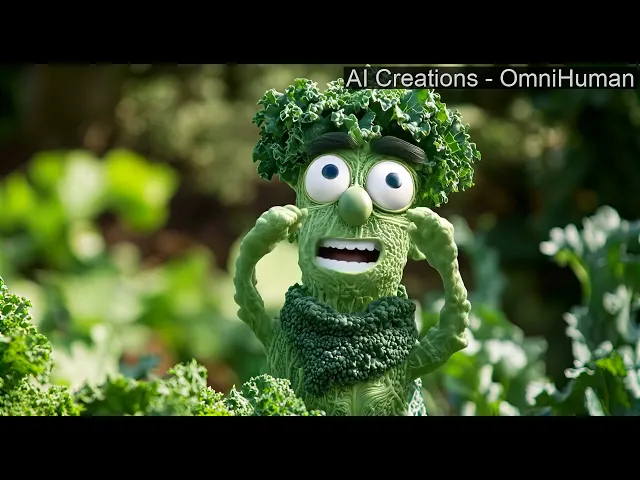
Apart from the obvious doom and gloom, this will of course be a game changer in video content production as well as a wide range of business and consumer products.
Over at my AI startup Apprendly we are experimenting with ‘bleeding-edge’ tech all the time. And by ‘bleeding’ we mean it is amazingly unstable at times. It remains to be seen if OmniHuman can keep the promise of stability and consistency, but it sure is an exciting time in tech (again).
You can find more about OmniHuman over at their demo page at Github: https://omnihuman-lab.github.io/